- +34 961 201 963
- blanquer@blanquer.com

WOOD AND THE IMPORTANCE OF ITS CERTIFICATION
Forests, ecosystems made up mostly of shrubs and trees, extend practically all over the planet, covering a third of the Earth’s surface.
These environments play a vital role in our daily lives, as they not only alleviate the effects of climate change, but are also home to many animals, are a source of food, clean the air and regulate the climate, among many other things (1 and 2).
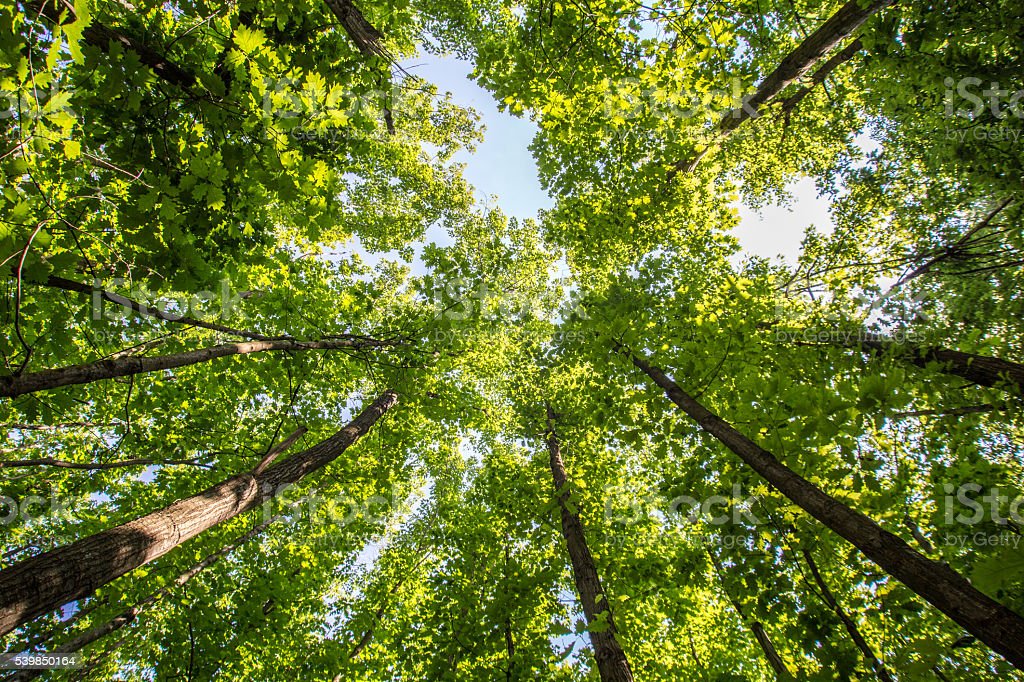
It is therefore essential to take care of them by regularizing their exploitation. This has prompted non-governmental organizations worldwide to establish guidelines for responsible forest management.
In this way, a collective network of organizations and individuals is generated to safeguard the fundamental role that our forests play for the environment, society and the economy.
This is the case of institutions such as theForest Stewardship Council(FSC) or theProgramme for the Endorsement of Forest Certification (PEFC) (2 and 3).
But how do they do it? Mainly by controlling three key points of forest management:
– Environmental responsibility: taking advantage of timber and non-timber resources, avoiding disturbing biodiversity and the biological processes that take place in it, allowing the regeneration of the forest mass in due time and the correct development of its diversity.
– Social benefit: encouraging the community to participate in the management, protection and conservation of forest resources to enjoy the benefits that these ecosystems offer us. Social benefit: to encourage the community to participate in the management, protection and conservation of forest resources so that they can enjoy the benefits that these ecosystems provide.
– Viable economy: to regulate forest exploitation so that it is profitable without detriment to forest resources.
Any company involved in the processing or marketing of wood and its by-products, or even food products, can have both certifications. It is very important that all institutions involved in the processing of such material have them, in order to respect the chain of custody and maintain the responsible environmental, social and economic value (2-4).
In Maderas y Chapas Blanquer we work hand in hand with FSC and PEFC to protect forests and ensure forest sustainability, ensuring that the wood has been obtained legally, complying with rigorous social and environmental standards. That is why you can find certified veneer, with species such as FSC-Oak, FSC-Beech, FSC-Chestnut or FSC-CW-Fresno, and certified wood, such as FSC-CW-Teca, FSC-Oak and PEFC-Pino Insignis or FSC-American Oak, as well as many other species.
We invite you to participate in our good practices helping to maintain a correct environmental balance and preserve our forests to continue enjoying them.
BIBLIOGRAPHY
(1) https://www.nationalgeographic.co.uk/environment-and-conservation/2019/07/how-to-erase-100-years-of-carbon-emissions-plant-trees-lots-of-them
(2) https://www.pefc.es/ https://www.pefc.es/
(3) https://es.fsc.org/es-es
(4) https://www.miteco.gob.es/es/biodiversidad/temas/internacional-especies-madera/madera-legal/sistema/certificacion-forestal.aspx

