- +34 961 201 963
- blanquer@blanquer.com

LENGA WOOD. Tierra de Fuego oak.
Lenga wood (Nothofagus pumilio), mainly from the southern region of South America, is highly valued for its properties and characteristics. Its versatility makes it a widely used resource in diverse applications, such as:
Construction and carpentry
- Structures: It is used in beams, columns and structural elements in the construction of houses and cabins, especially in rural areas.
- Coatings: Widely used on floors, walls and ceilings due to its durability, beauty and light color.
- Doors and windows: Due to its ease of workability and good finish, it is ideal for frames and details.
Furniture
- It is widely used in the manufacture of furniture because of its soft texture, moderate resistance and the possibility of attractive finishes. It is used to manufacture tables, chairs, cabinets, beds, among others.
3. Interior decoration
- Decorative panels: The light and homogeneous tones of lenga make it perfect for modern and minimalist decorations.
- Sculptures and handicrafts: Its workability allows the creation of detailed decorative pieces.
4. Industry
- Plywood: Lenga is used in the manufacture of laminated panels and plywood.
- Particleboard and MDF: Making use of by-products and leftovers from processing.
5. Energy production
- Firewood and pellets: Due to its good heating capacity, it is used as fuel for domestic heating.
6. Outdoor use
- With appropriate treatments, it is used in pergolas, terraces and garden furniture, resisting the inclemency of the weather.
7. Environmental restoration
- In the reforestation of degraded areas, especially in Patagonia, due to its adaptability to cold climates and poor soils.
Outstanding properties of lenga:
Sustainable origin, since in many regions it is grown and managed under responsible forestry regulations.
Light color, varying from yellowish white to pale pink.
Uniform texture and ease of planing, turning and sanding.
Moderate resistance to humidity, improved with appropriate treatments.
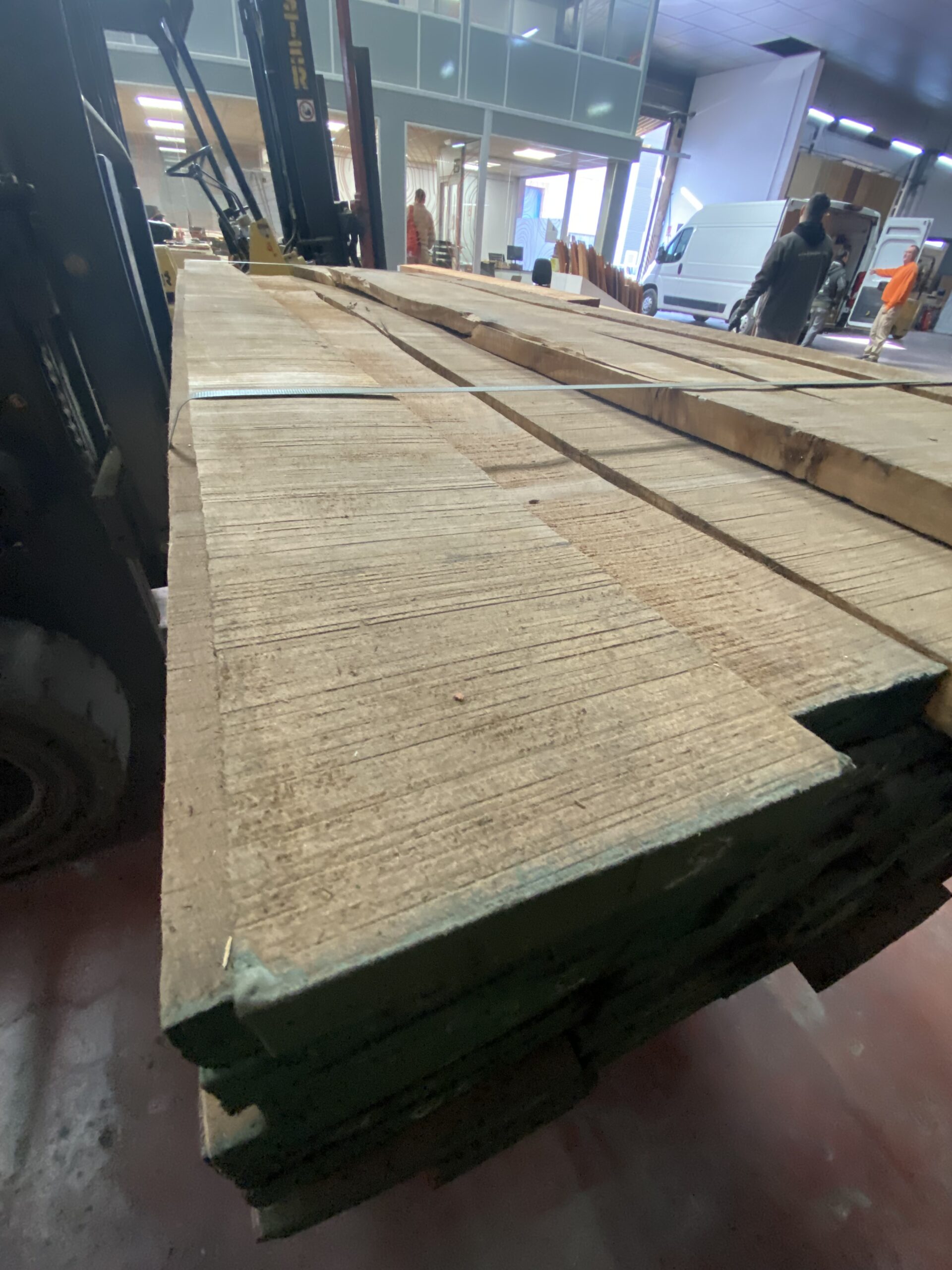
RESISTANCE
The strength of lenga wood(Nothofagus pumilio) is influenced by its density, anatomical characteristics, humidity and treatments to which it may have been subjected. The main mechanical properties and factors related to its strength are detailed below:
1. Physical and mechanical properties of lenga wood
- Density:
- In anhydrous state (0% humidity): Approximately 500-550 kg/m³.
- In air-dry state (12-15% humidity): 550-650 kg/m³.
- This classifies it as a medium density wood, which directly influences its strength.
- Compressive strength parallel to the fibers:
- Typical range: 35-45 MPa.
- Suitable for moderate structural uses and load-bearing elements under normal conditions.
- Static bending strength:
- Range: 60-80 MPa.
- It allows lenga to be used in beams, planks and applications subject to bending forces.
- Modulus of elasticity (MOE):
- Range: 9,000-12,000 MPa.
- It represents its capacity to withstand deformations, being moderately flexible.
- Impact resistance:
- Lenga has moderate impact resistance, suitable for furniture and interior carpentry.
- Janka hardness:
- About 2,500-3,000 N.
- This indicates that it is a moderately hard wood, suitable for floors and surfaces subject to wear and tear.
2. Behavior under environmental conditions
- Moisture: Lenga wood tends to absorb moisture if not properly treated, which can affect its strength. Controlled drying and preservation treatments are recommended to increase its stability.
- Natural durability: Moderate, with limited resistance to fungi and pests in the natural state. For exterior applications or in humid environments, it should be treated with protective products.
- Fire resistance: Similar to other medium density woods, with moderate behavior in terms of combustibility.
3. Structural use
Although it is not a high-strength wood like oak or lapacho, lenga is suitable for light to moderate load applications:
- Structural frames in low-rise buildings.
- Small bridges and temporary structures.
- Decorative or functional elements not subject to great stress.
4. Factors affecting its resistance
Treatments: Impregnations with protective products improve its durability and performance against external agents.
Degree of drying: Mechanical strength increases when the wood has a controlled moisture content (12-15%).
Defects: Knots, cracks or irregularities can significantly reduce its strength.
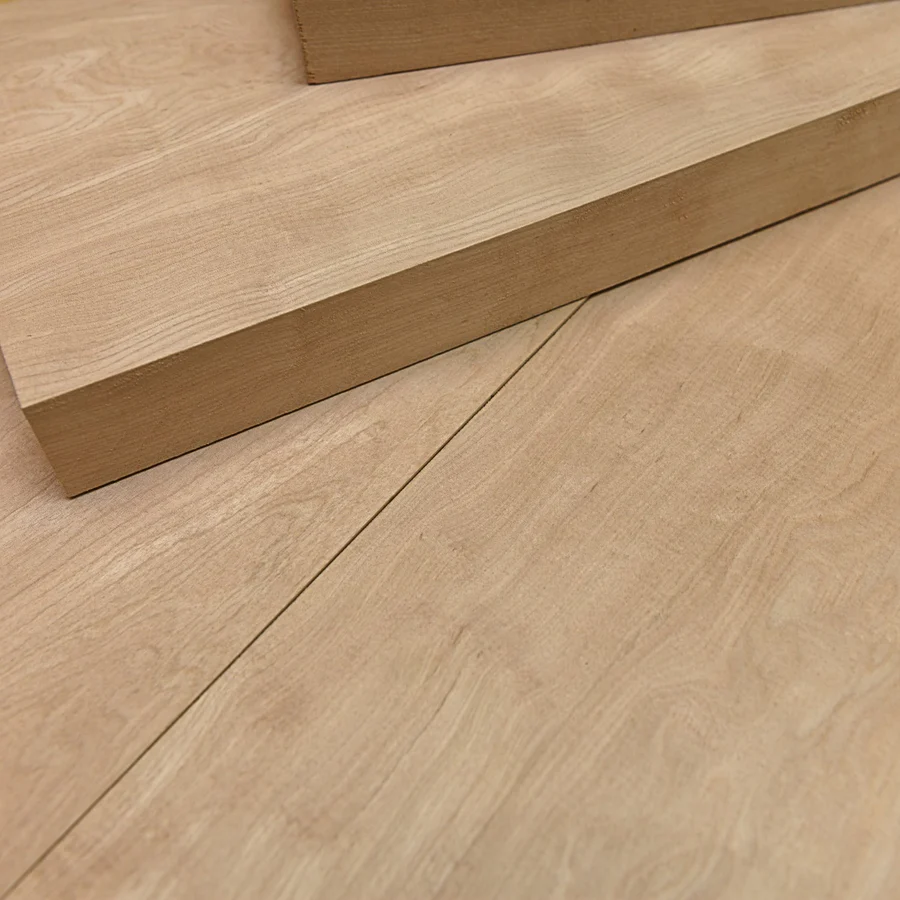
SUSTAINABILITY
The sustainability of lenga(Nothofagus pumilio) timber is an important aspect of this natural resource, especially in the context of its extraction, forest management and environmental contribution. The key aspects related to its sustainability are detailed here:
Origin and distribution
Lenga is a tree native to the cold temperate regions of southern South America, mainly in:
- Chile: From Los Ríos Region to Tierra del Fuego.
- Argentina: In the Patagonian provinces of Neuquén, Río Negro, Chubut, Santa Cruz and Tierra del Fuego.
These areas include fragile ecosystems, such as sub-Antarctic forests, which require careful management to preserve their biodiversity.
Sustainable forest management
- Forest certification: Many lenga harvesting areas in Chile and Argentina are managed under certified standards such as FSC (Forest Stewardship Council) and PEFC (Programme for the Endorsement of Forest Certification), which guarantee sustainable practices. This includes:
- Reforestation: Ensure the natural regeneration of the forest after extraction.
- Ecosystem protection: Preserve areas of high conservation value.
- Respect for local communities: Include indigenous and rural communities in sustainable resource management.
- Legal regulations: Both Chile and Argentina have legal frameworks to regulate lenga logging and prevent illegal deforestation. In many cases, lenga extraction is limited to management plans that allow for a balance between extraction and conservation.
3. Environmental benefits
- Carbon sequestration: Like any wood, lenga acts as a carbon store, helping to mitigate climate change. Using lenga wood in construction and furniture prolongs this effect by keeping the carbon fixed for years or decades.
- Natural regeneration: Lenga has a good capacity for natural regeneration under controlled conditions, especially in cold and mountainous soils. This makes it less dependent on artificial plantations.
- Biodiversity: Lenga forests are crucial habitats for numerous species of endemic flora and fauna, which highlights the importance of their conservation.
4. Social and economic impact
- Local economy: The sustainable exploitation of lenga benefits local communities, providing employment in activities such as extraction, processing and the manufacture of derived products.
- Crafts and culture: Lenga wood has a significant value in traditional crafts, which encourages cultural and sustainable practices in small communities.
5. Challenges and threats
- Climate change: Climate variations can alter the growth patterns of lenga forests, affecting their natural regeneration.
- Illegal logging: Although regulations exist, illegal logging can endanger forests if not adequately controlled.
- Pressure on ecosystems: Overexploitation, agricultural expansion and cattle ranching are potential threats if not carefully managed.
6. Contribution to the circular economy
The use of lenga wood in durable and recyclable products, such as furniture and construction, reduces dependence on non-renewable materials. In addition:
- By-products: Processing residues can be utilized for firewood, pellets or boards.
- Biodegradability: Lenga, as a natural material, decomposes without causing contamination at the end of its useful life.
Conclusion
Lenga wood is a sustainable resource as long as it is managed under responsible forest management standards. Its extraction and use promotes the conservation of ecosystems, contributes to local economic development and offers a renewable material with a reduced environmental impact compared to non-renewable alternatives.
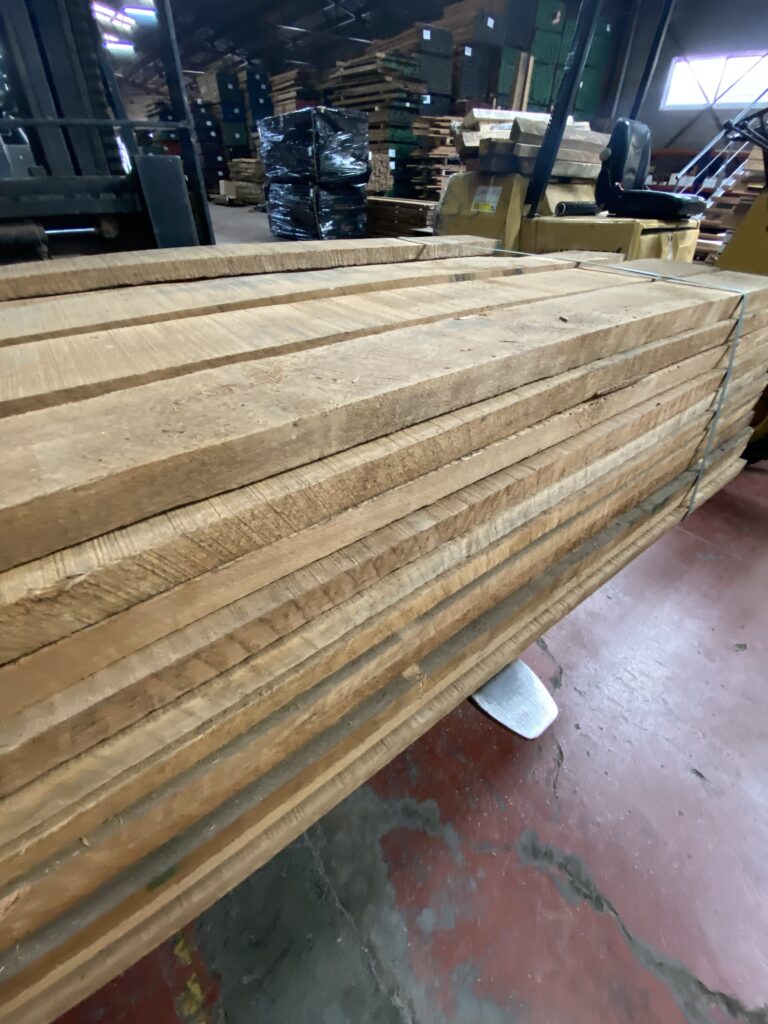
GROWTH
The growth of lenga wood (Nothofagus pumilio) is determined by the environmental conditions of the cold and temperate regions of southern South America, where this species is native. Its growth rate, life cycle and factors that influence its development are key aspects for understanding its sustainable management. The main characteristics of lenga growth are detailed below:
1. Life cycle and growth rate
- Longevity: Lenga is a slow-growing species that can live between 150 and 300 years, depending on habitat conditions.
- Initial growth: During the first years, growth is slow, as lenga invests resources in developing a deep root system adapted to poor soils and cold climates.
- Growth rate:
- Under natural conditions, its annual diameter growth is 1 to 3 mm per year, depending on site quality and forest density.
- In managed plantations or well-preserved forests, with less competition for light and nutrients, this rate may be slightly higher.
- Height: It can reach heights of 20 to 30 meters, with a diameter at breast height (DBH) of 50 to 100 cm in mature trees.
2. Factors influencing growth
- Weather:
- Lenga grows in cold and humid climate zones, with average annual temperatures of 3 to 10 °C and rainfall of 500 to 2,500 mm/year.
- Snow and frequent frosts are common features of their habitat.
- Soils: It prefers well-drained, acid or neutral soils, poor in nutrients and with a high presence of organic matter. It is able to grow in stony soils and slopes, which makes it ideal for mountainous ecosystems.
- Altitude: It is found at altitudes ranging from sea level in Tierra del Fuego to 2,000 meters in the Andean region.
- Competition: In dense forests, growth may slow down due to competition for light, water and nutrients. For this reason, forest management may include thinning to favor the growth of selected individuals.
3. Growth under forest management
In plantations and managed forests, practices are applied to optimize lenga growth:
- Thinning and pruning: Competing trees are removed to maximize available resources for selected individuals.
- Assisted natural regeneration: Natural seedling growth is protected and promoted under the forest canopy.
- Plantations: Although less common, planting systems have been implemented in some areas to accelerate growth on specific soils.
4. Natural regeneration rate
Lenga has a good capacity for natural regeneration:
- Seeds: It produces small and light seeds that are dispersed by the wind.
- Sprouting from stumps: After logging, lenga has the ability to regenerate by sprouting shoots that emerge from the stump or roots.
Regeneration is usually more successful in open areas or after natural disturbances (such as fires or avalanches) that reduce competition for light.
5. Comparison with other species
Compared to other commercially used forest species, such as pine or eucalyptus, lenga is slower growing. However, its resistance to extreme cold and its adaptation to poor soils make it ideal for sub-Antarctic climates, where other species do not thrive.
6. Importance of growth in sustainability
- Sustainable management of lenga growth ensures a balance between timber extraction and the conservation of the ecosystems where it grows.
- Selective logging and the promotion of natural regeneration are essential to maintain biodiversity and avoid overexploitation.
Conclusion Lenga grows slowly but steadily, adapting to the extreme conditions of its habitat. This growth rate, although longer than that of fast growing exotic species, is key to the quality of its wood and its role in the conservation of sub-Antarctic ecosystems.

